



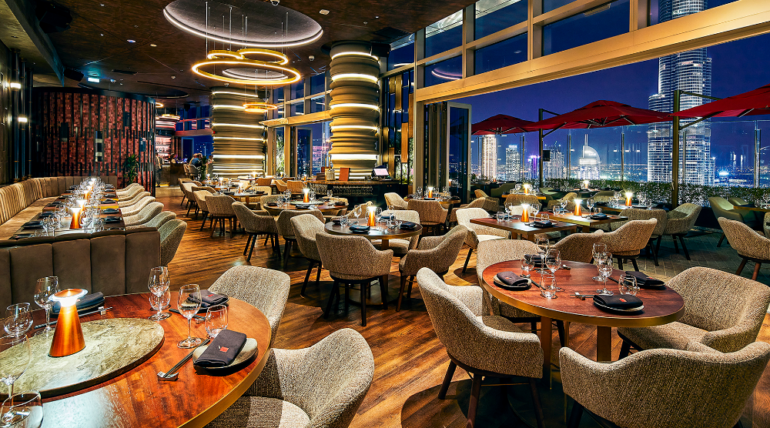
Dubai continues to evolve into one of the most dynamic hubs for food and beverage business in the Middle East, attracting global brands, investors, and innovators. Strategic government support, expanding consumer demand, and sustained growth in tourism are shaping new opportunities for companies in every segment of the F&B supply chain.
One of the strongest trends in 2026 is the increasing demand for health‑oriented and functional foods. With consumers becoming more health conscious, products such as plant‑based alternatives, fortified beverages, organic snacks, and low‑sugar options are gaining market share rapidly. Retailers and distributors who adapt their portfolios to include these categories are seeing strong growth and higher margins. This shift is particularly notable among younger demographics and expatriate communities across the UAE.
The food delivery and cloud kitchen segment also continues to expand. Post‑pandemic behavioral changes have made convenience a permanent expectation, pushing operators to refine digital ordering systems and last‑mile logistics. Third‑party delivery platforms remain crucial, but many brands are now investing in proprietary apps and loyalty ecosystems to reduce dependence on external aggregators and enhance customer retention.
Dubai’s role as a regional import and export gateway offers another layer of opportunity. The emirate’s strategic location between Asia, Africa, and Europe, combined with world‑class logistics infrastructure, makes it ideal for companies looking to use UAE bases to serve markets across the GCC and beyond. Free trade zones and favorable customs frameworks further support importers and exporters in managing cost‑competitive supply chains.
Tourism, which is once again reaching record levels, fuels demand for both premium dining experiences and mass‑market consumption. Luxury hotels and international restaurant chains continue to expand, while local dining concepts that fuse cultural cuisine with modern trends are receiving significant investment. Food halls, experiential dining venues, and specialty beverage spots are particularly popular among tourists and residents alike.
Another noteworthy trend is the adoption of sustainable practices throughout the F&B ecosystem. Reducing food waste, implementing eco‑friendly packaging, and sourcing responsibly produced ingredients are not just marketing slogans — they are becoming operational priorities. Retailers and producers who demonstrate clear commitments to environmental responsibility are winning consumer loyalty and improving their competitive positioning.
Finally, the broader landscape of technology integration is reshaping how food and beverage businesses operate. Artificial intelligence, data analytics, and automation are enhancing everything from demand forecasting to inventory management and customer personalization. Brands that leverage these tools are seeing faster decision cycles, improved operational efficiency, and greater customer engagement.
For companies in the food and beverage sector — whether distributors, importers, producers, or retailers — Dubai in 2026 represents not just a market, but a strategic launchpad. The combination of diverse consumer demand, digital transformation, and global connectivity makes it one of the most compelling places to build and grow F&B operations.